Maynooth Access Group
Maynooth is a university town with a vibrant community historic character and shared commitment to inclusion. As our town grows, accessibility and participation are key to ensuring everyone can belong and thrive.
Maynooth Access Group works with local organisations, businesses and public bodies to identify barriers and champion practical solutions that improve access, communication and community participation for all.
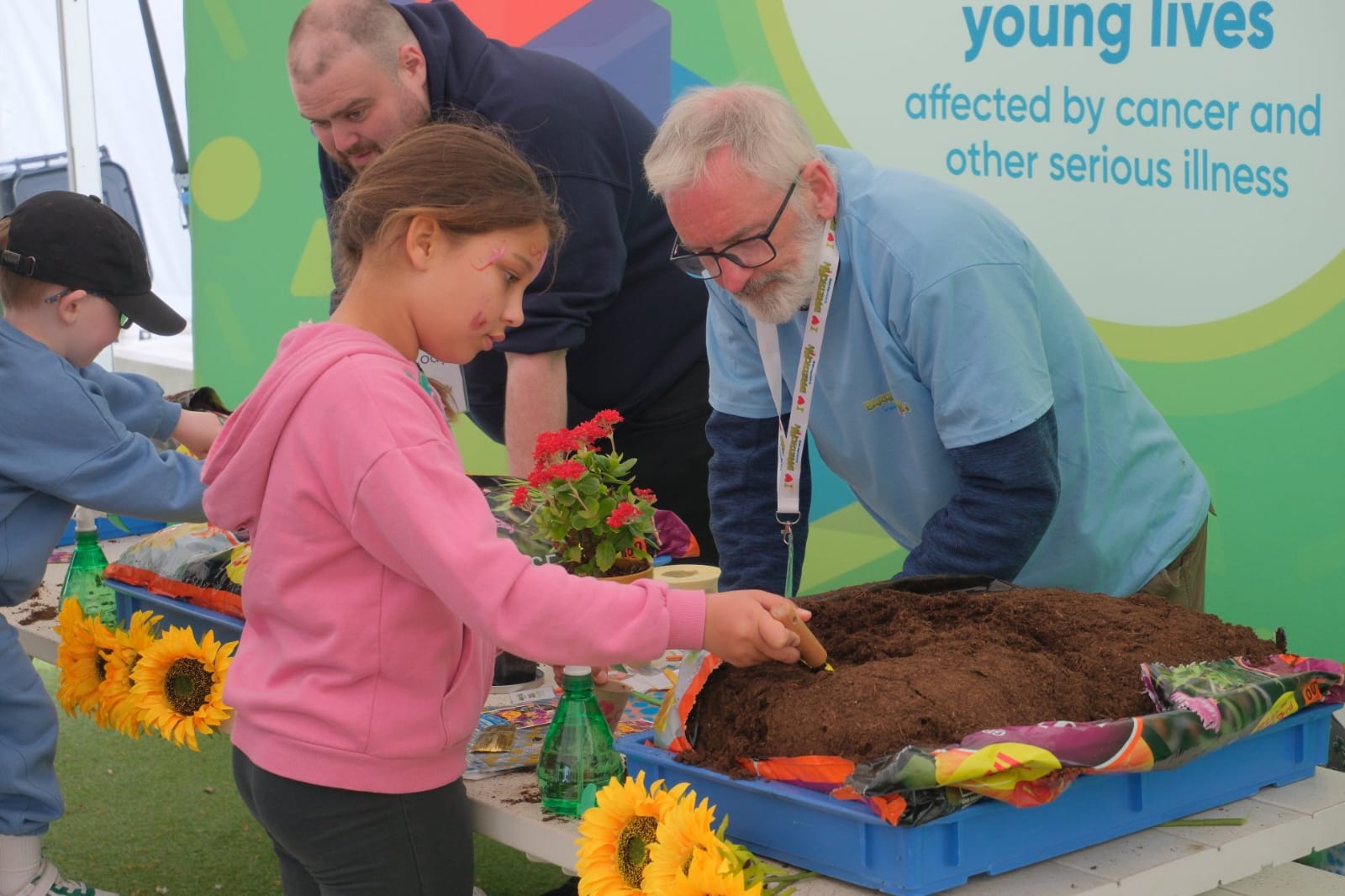
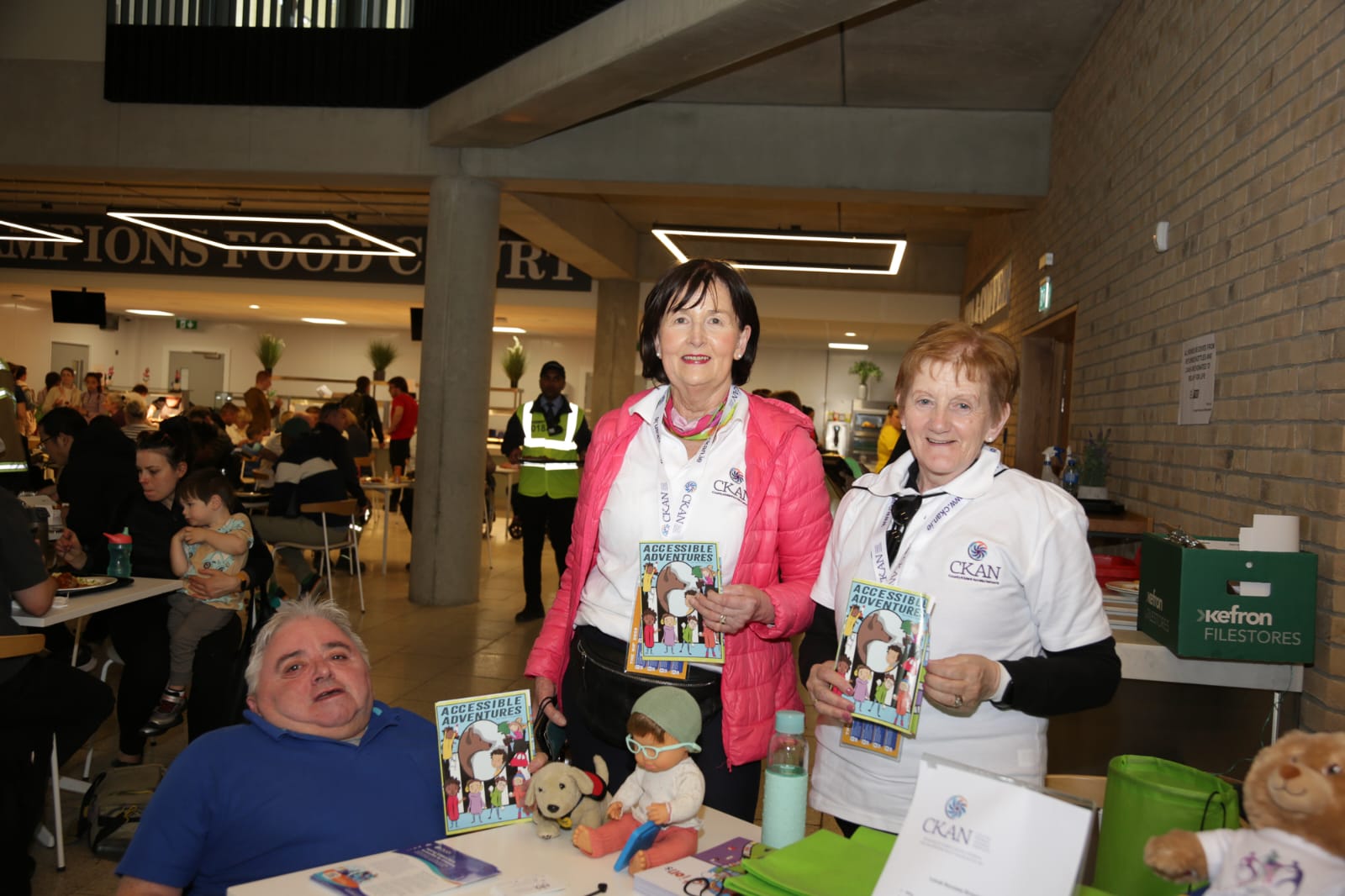
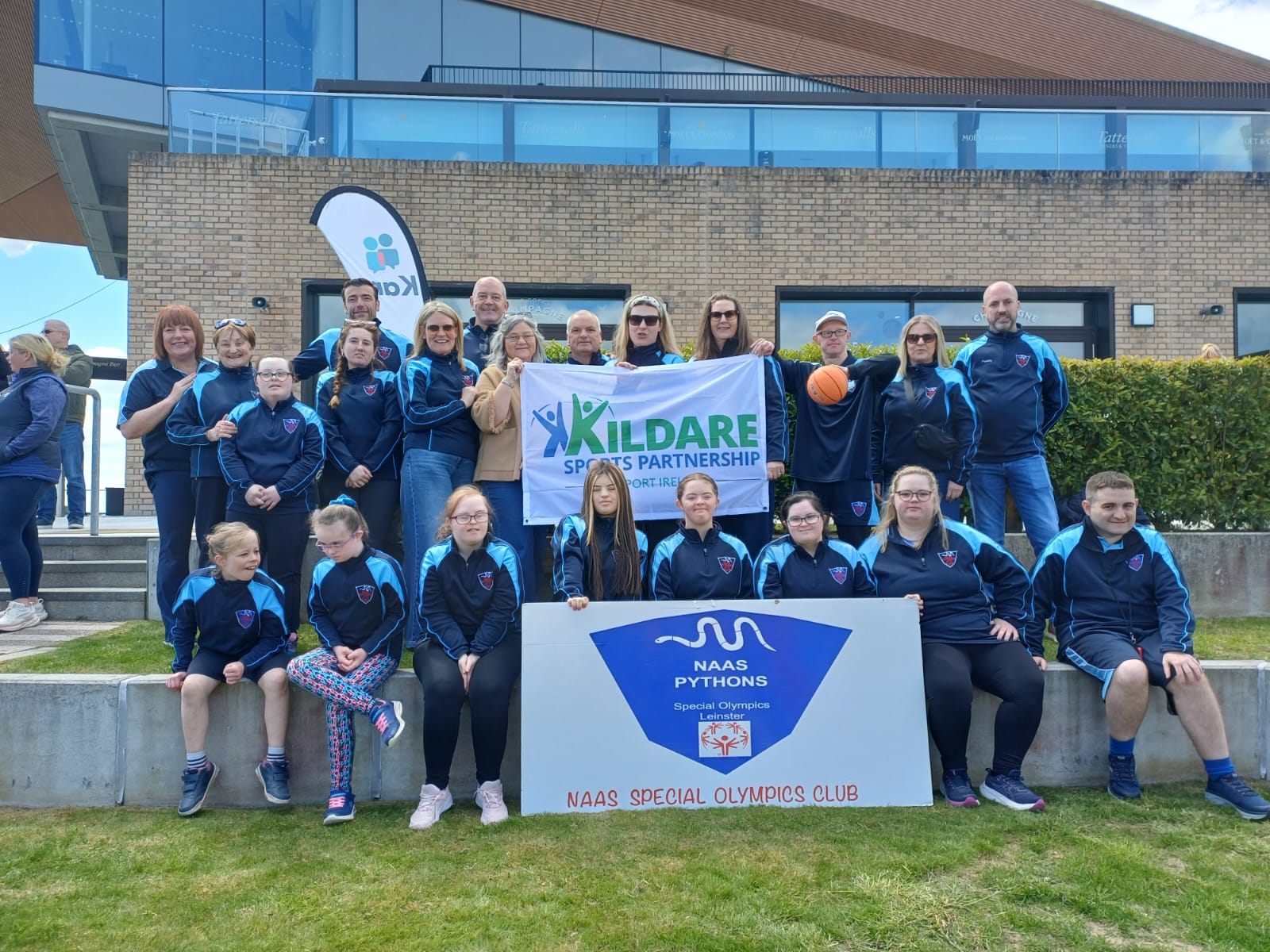


Our World Program
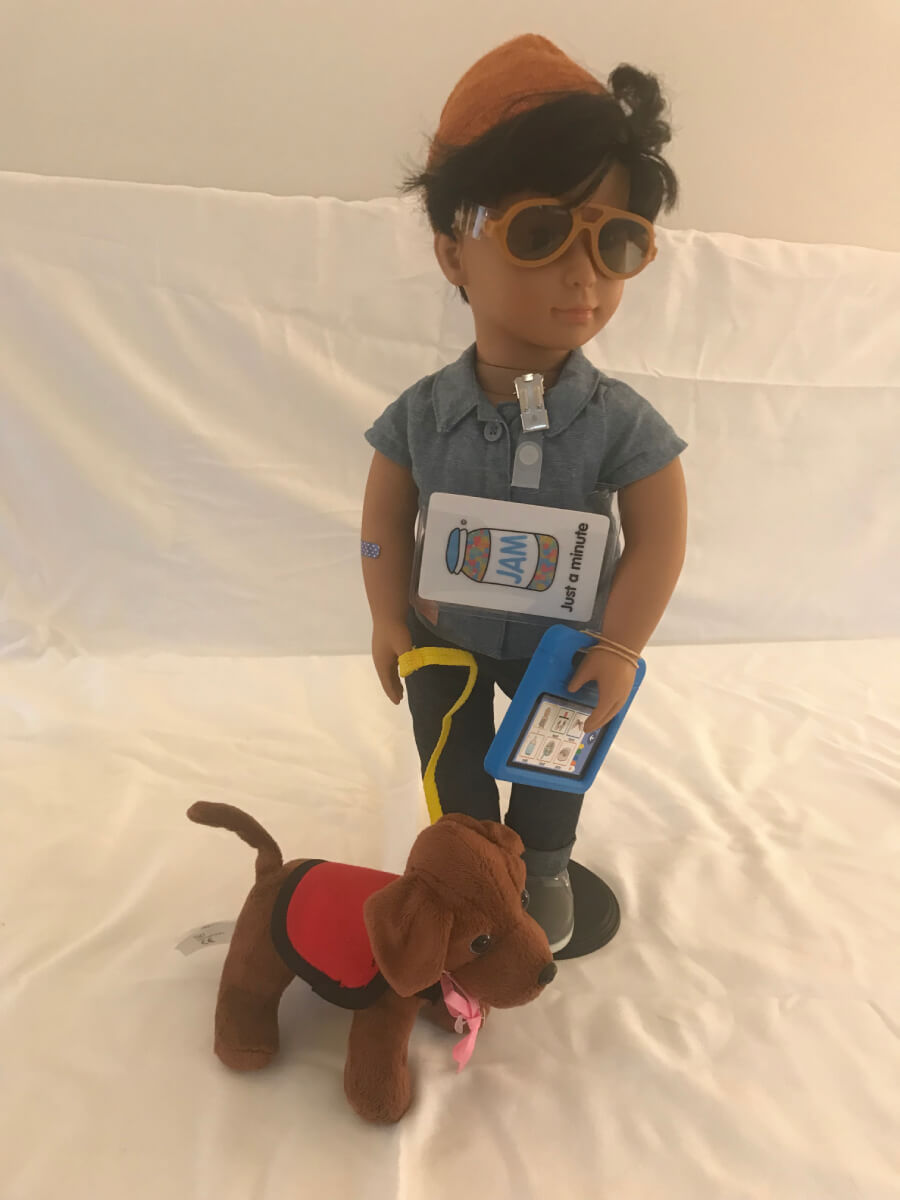
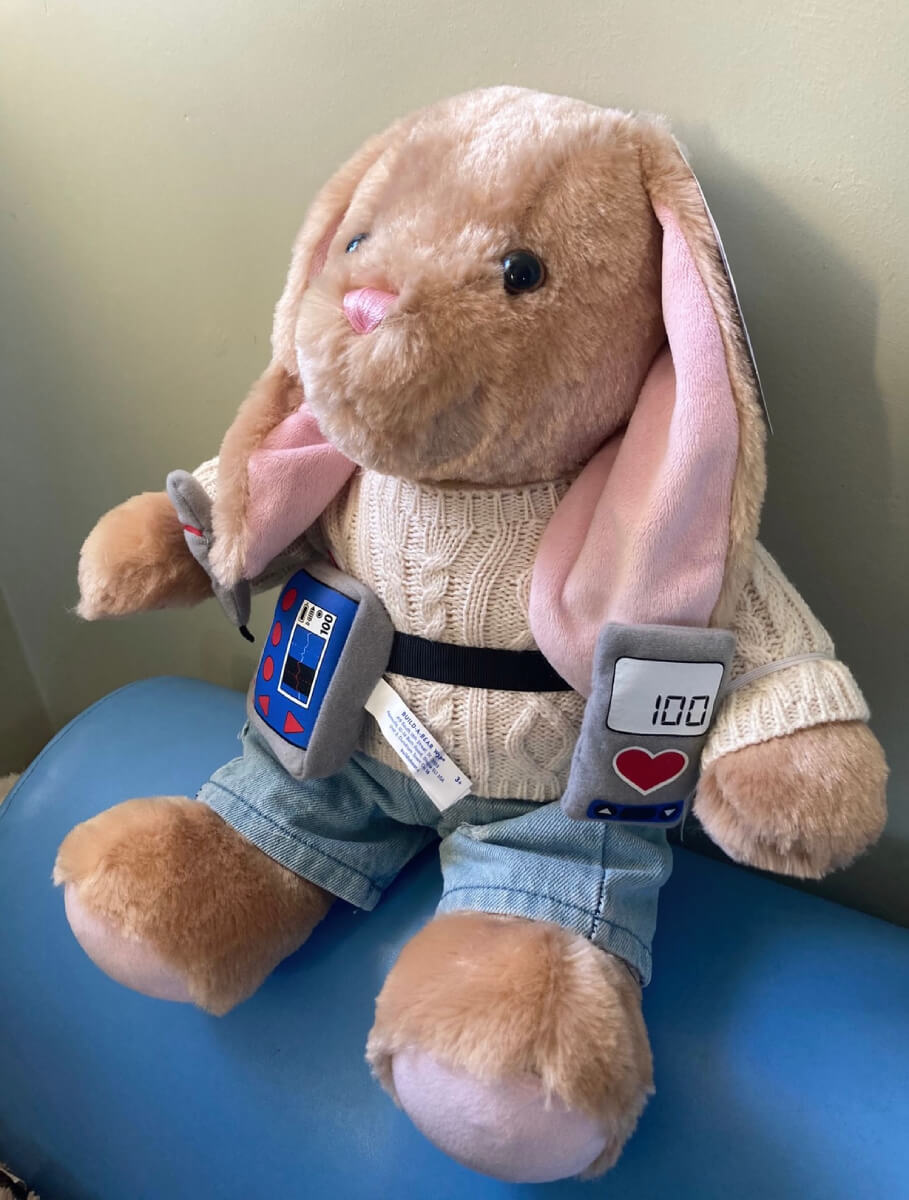
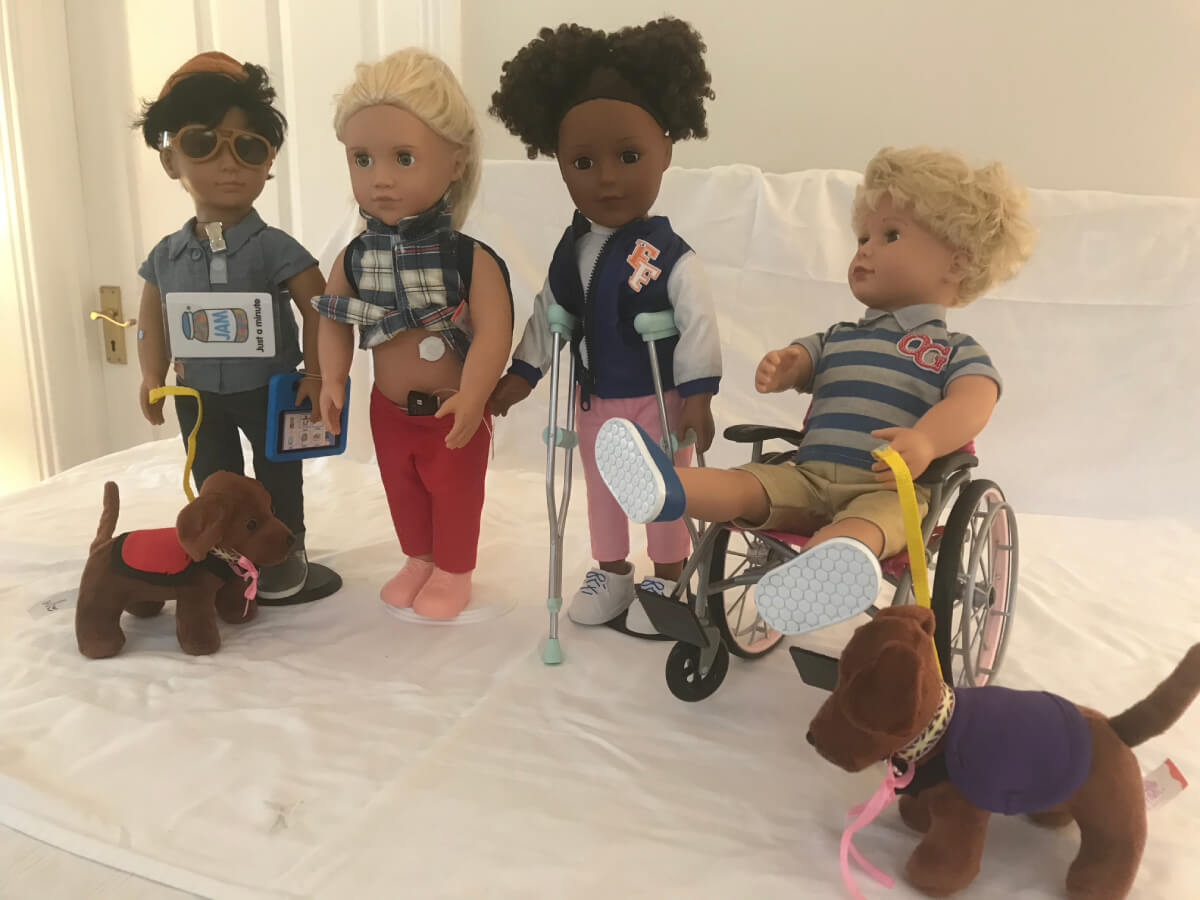
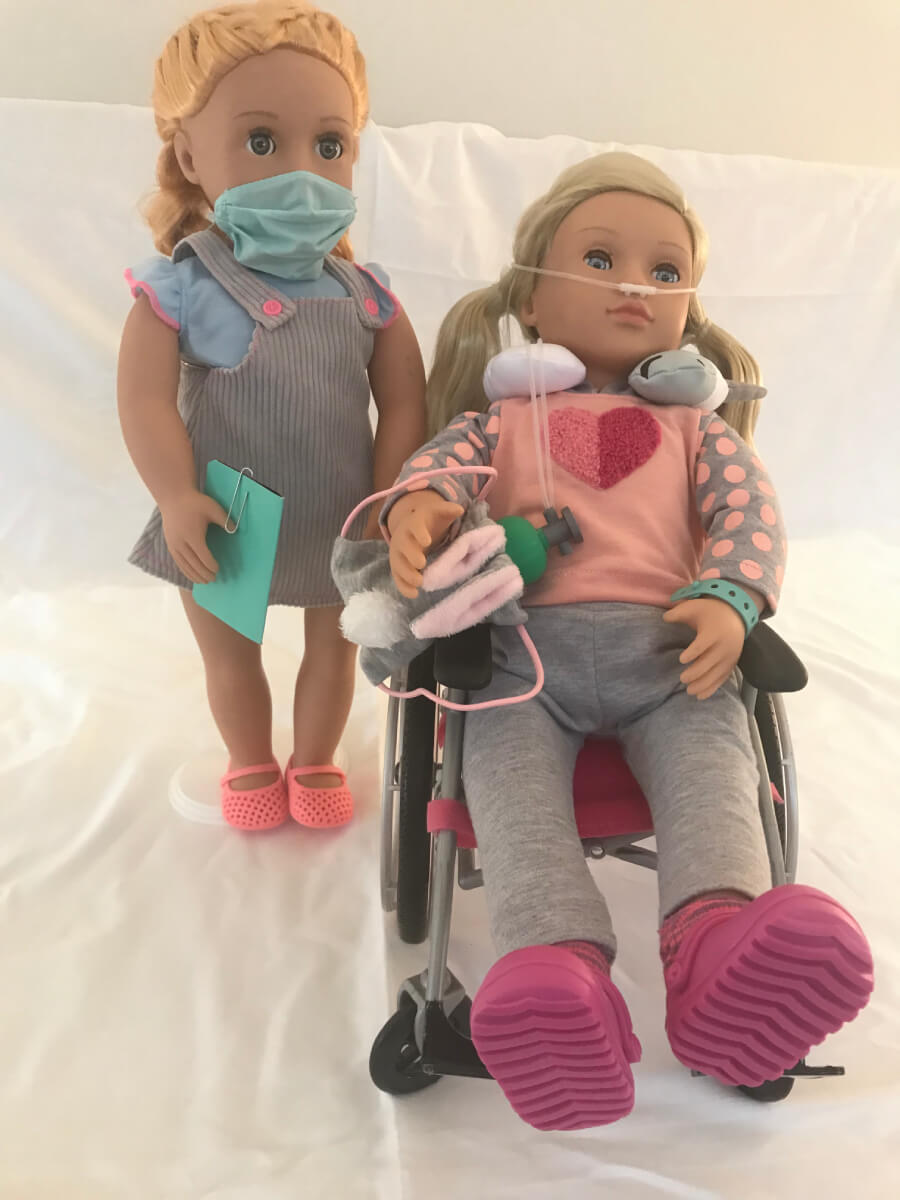
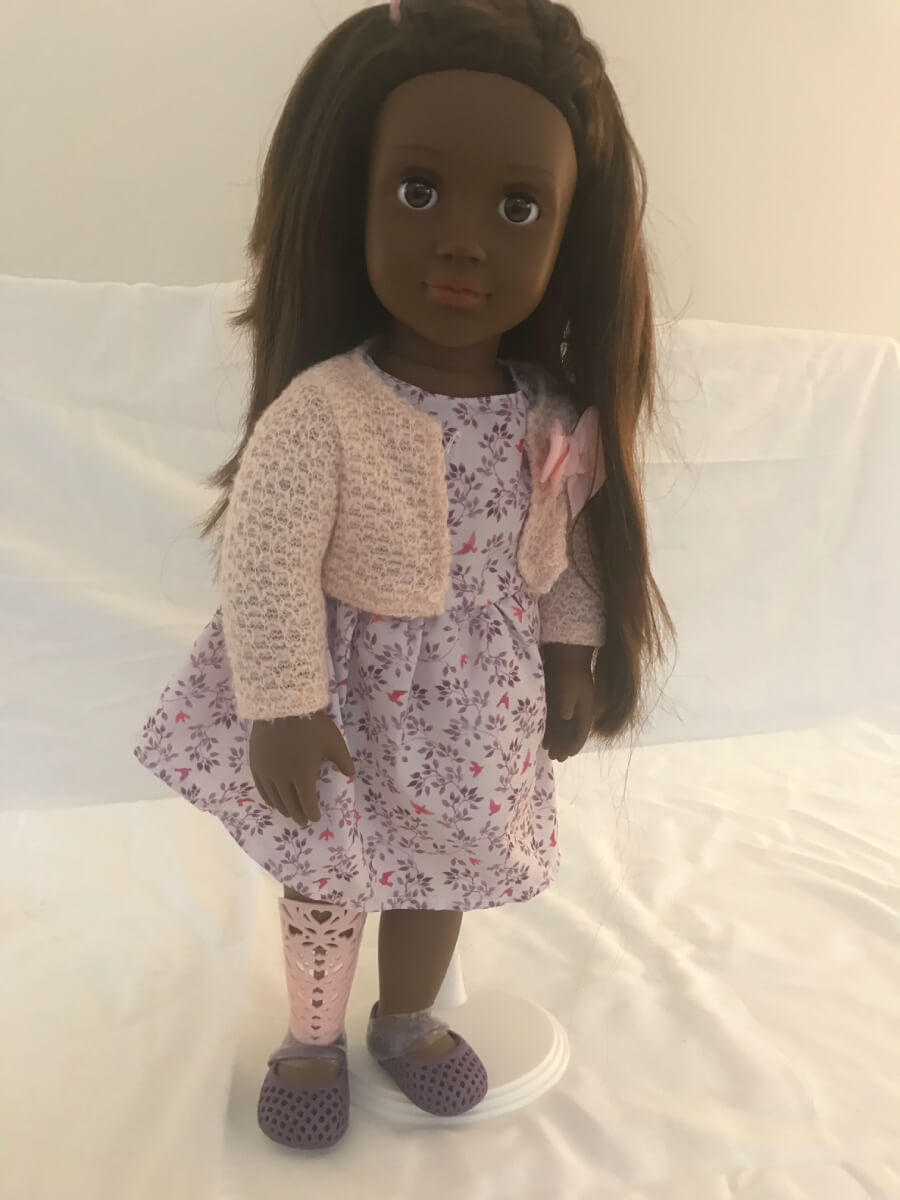
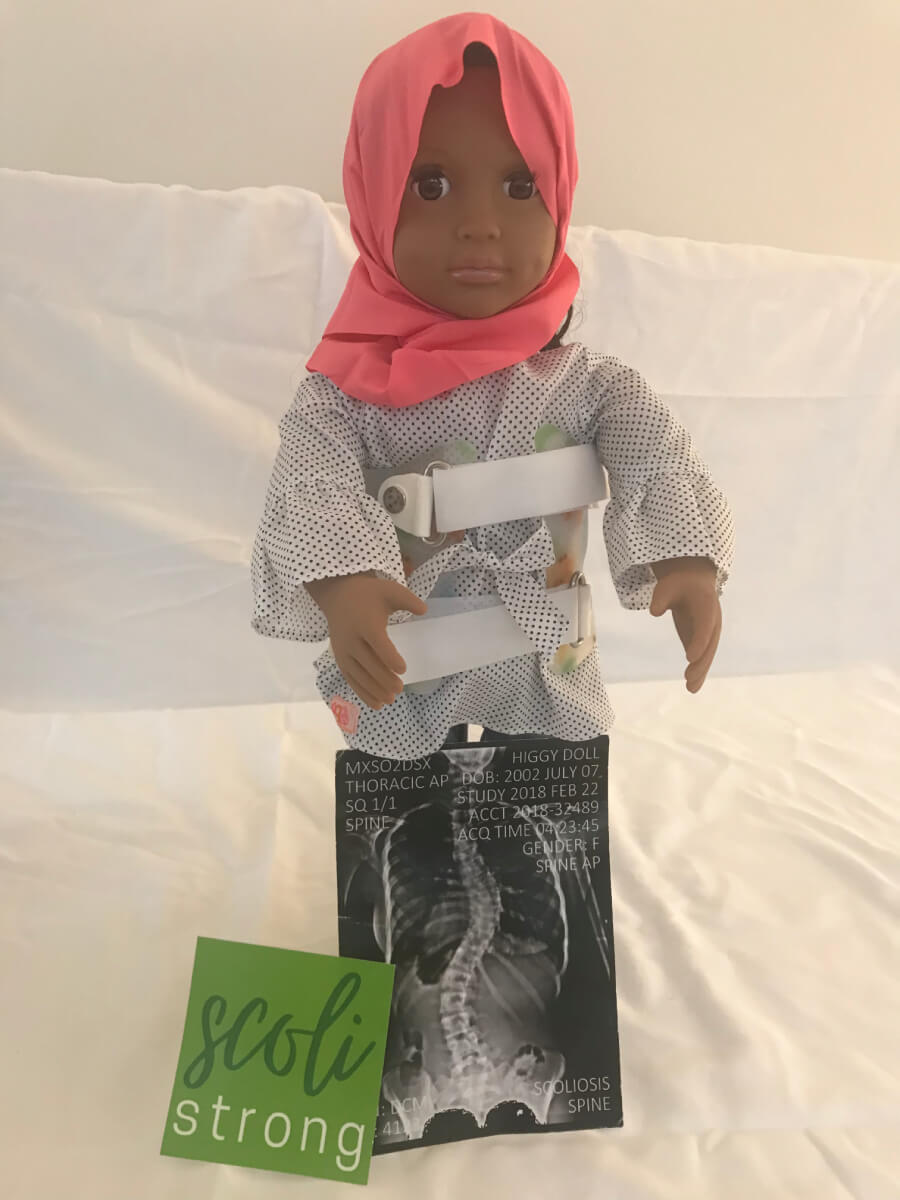
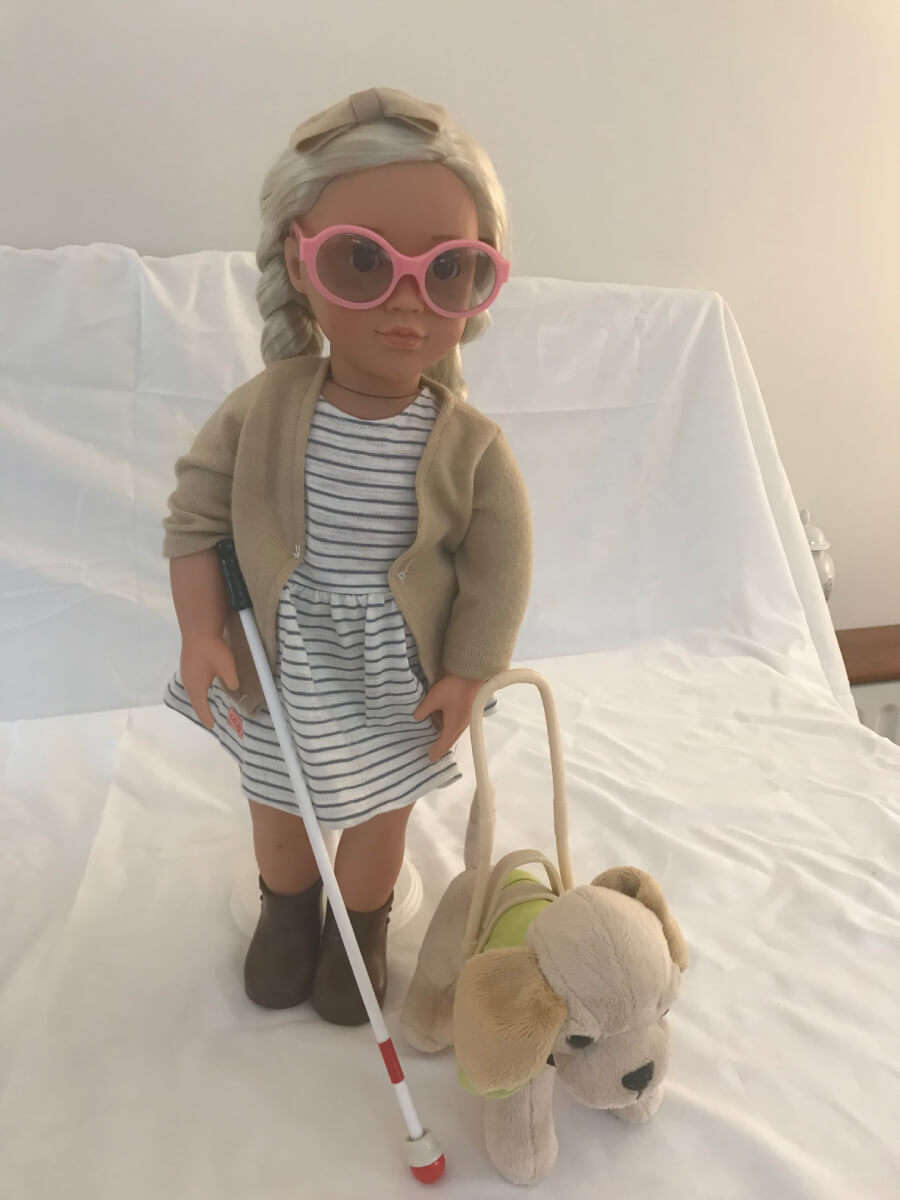
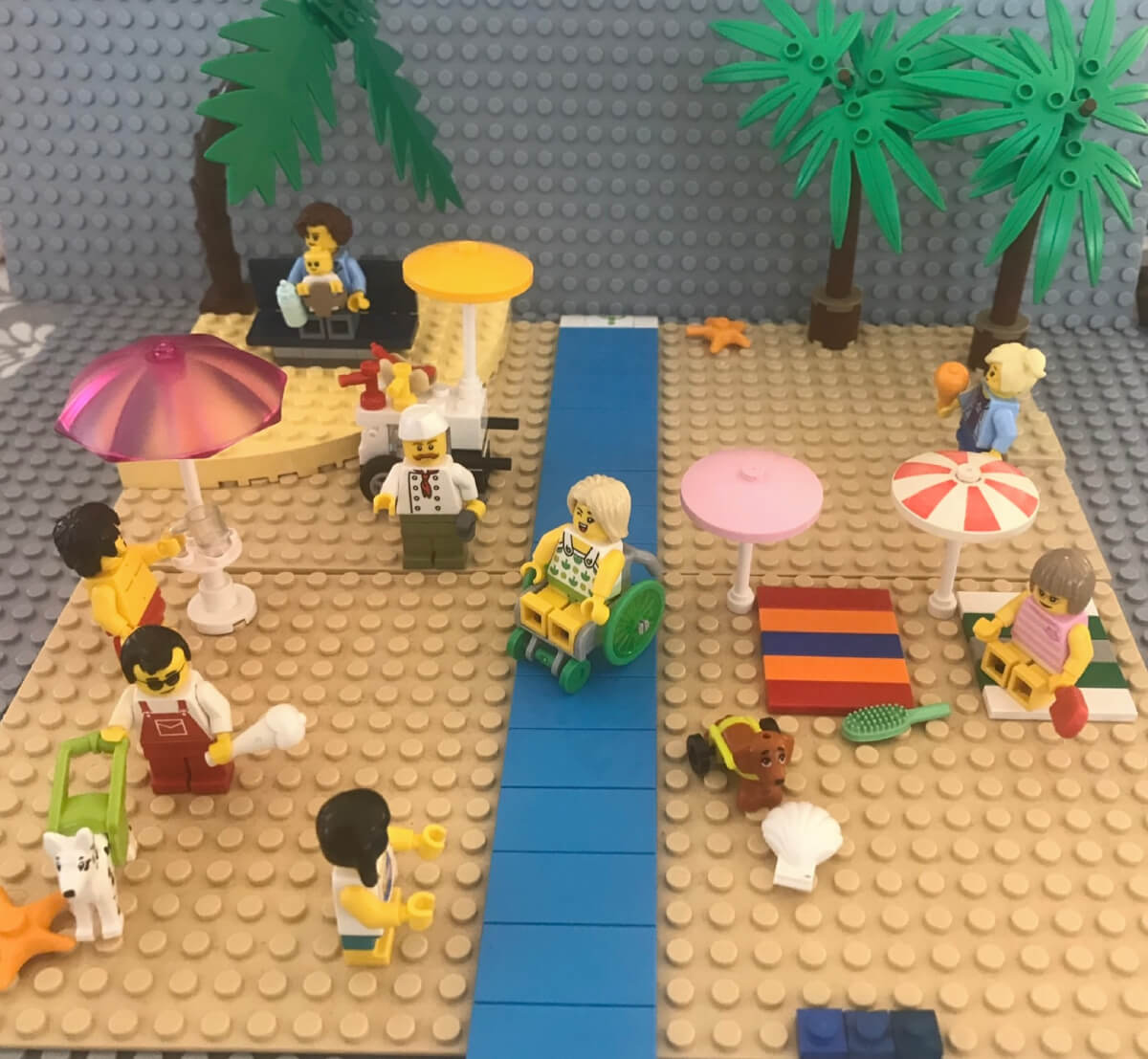
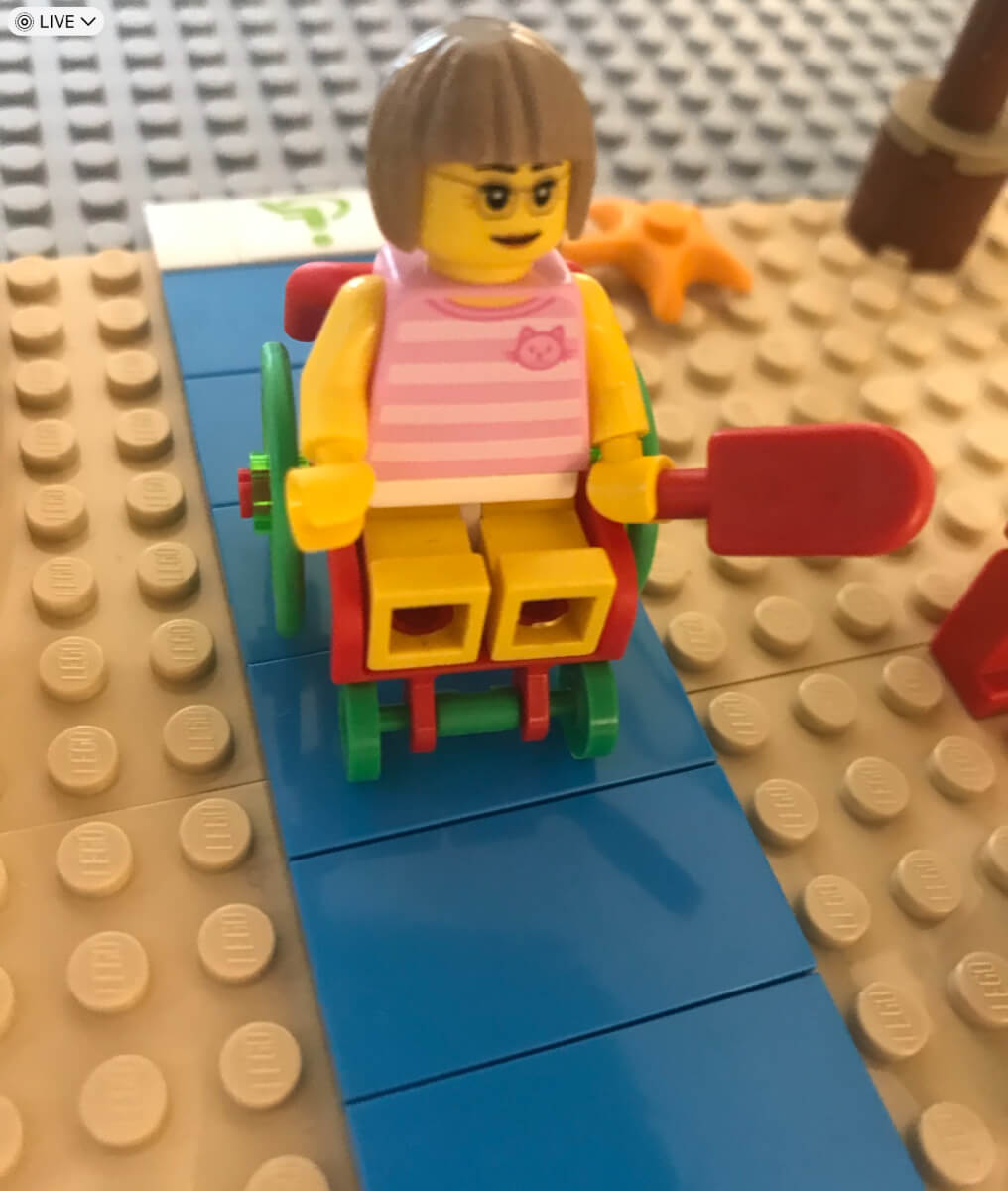
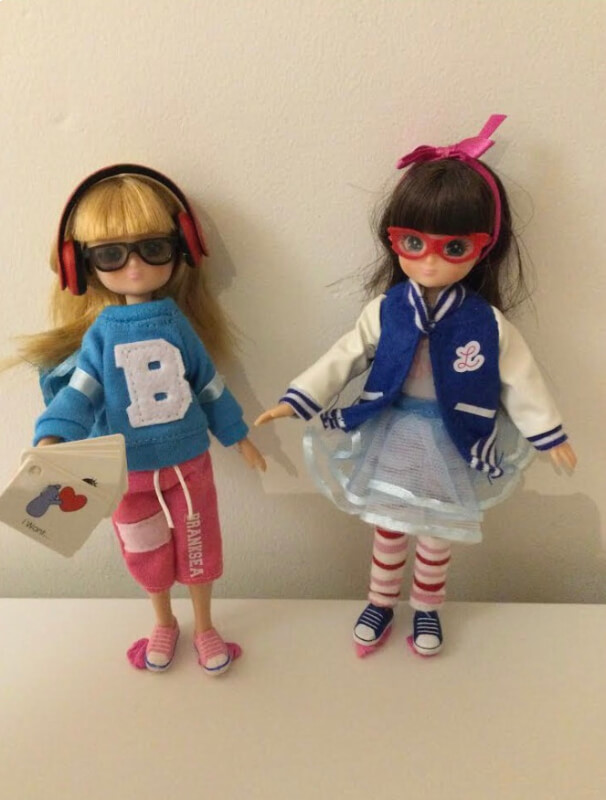
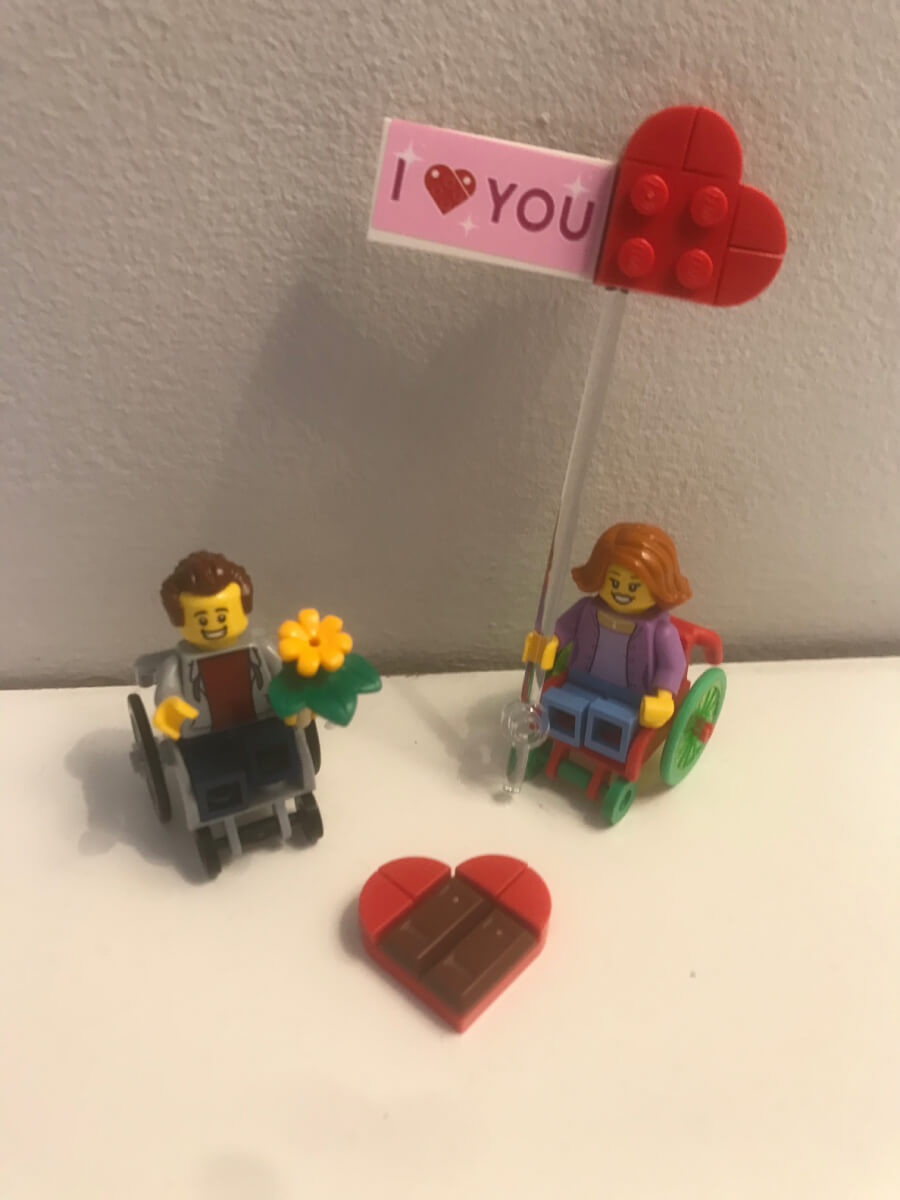
“Our world” is the flagship initiative from the Maynooth Access Group. It is a disability awareness educational programme for children and about children. Primarily it is designed to give a voice to disabled children in our community. We deliver the Our World programme to pre-schools, primary and secondary schools and to community groups. WE also deliver workshops in Maynooth University to students studying Early Childhood Education. The delivery of the programme is facilitated by a unique collection of diverse and inclusive toys, books and posters. What makes this collection so unique is that all of the toys have a disability and the books and posters feature characters with disabilities. We use information cards and “I Spy” and “Did you know” activities to facilitate and encourage engagement and dialogue with the programme.
Our World FAQ
- To normalise difference, teach children awareness and promote acceptance of disability both visible and non-visible
- To promote better understanding of the difficulties and barriers faced by disabled people in our community on a daily basis
- To help foster long-term positive attitudes towards disabled people in our community and to destigmatise disability
- To encourage children to advocate for the rights of disabled people
- To afford children the opportunity to play with toys and read books with which they can relate and which reflects the diversity of the world around them
- To provide opportunities to engage in playful discussion regarding disability
This initiative is primarily about learning through play. It is no secret that children learn best through play and learning about disability is no exception. Developmental psychologists suggest that early childhood is the best time to intervene against the formation of negative attitudes toward disability, before these attitudes and behaviour patterns become fully established and difficult to change (Lee et al., 2017). This is why this particular initiative is so important in promoting better understanding among children about disabilities, in building the self-esteem of those children with disabilities and ultimately creating a more inclusive society for all. Fortunately toy companies today have begun to diversify their lines to be more inclusive so that every child can have a toy box that includes toys that are as diverse as the children they will meet in the playground. As MAG we believe children should be able to play with toys that reflect themselves and the diversity of the world around them. When a disabled child plays with the Our World toys and reads some of books featuring characters to which they can relate it sends a strong message to that child “I see you. You are important”, representation matters. We want children to know that there are toys out there that are just like them. This will create a connection to these toys and will make them feel understood. A disabled child who is given a toy with the same disability will have the opportunity to play out their own story with confidence.
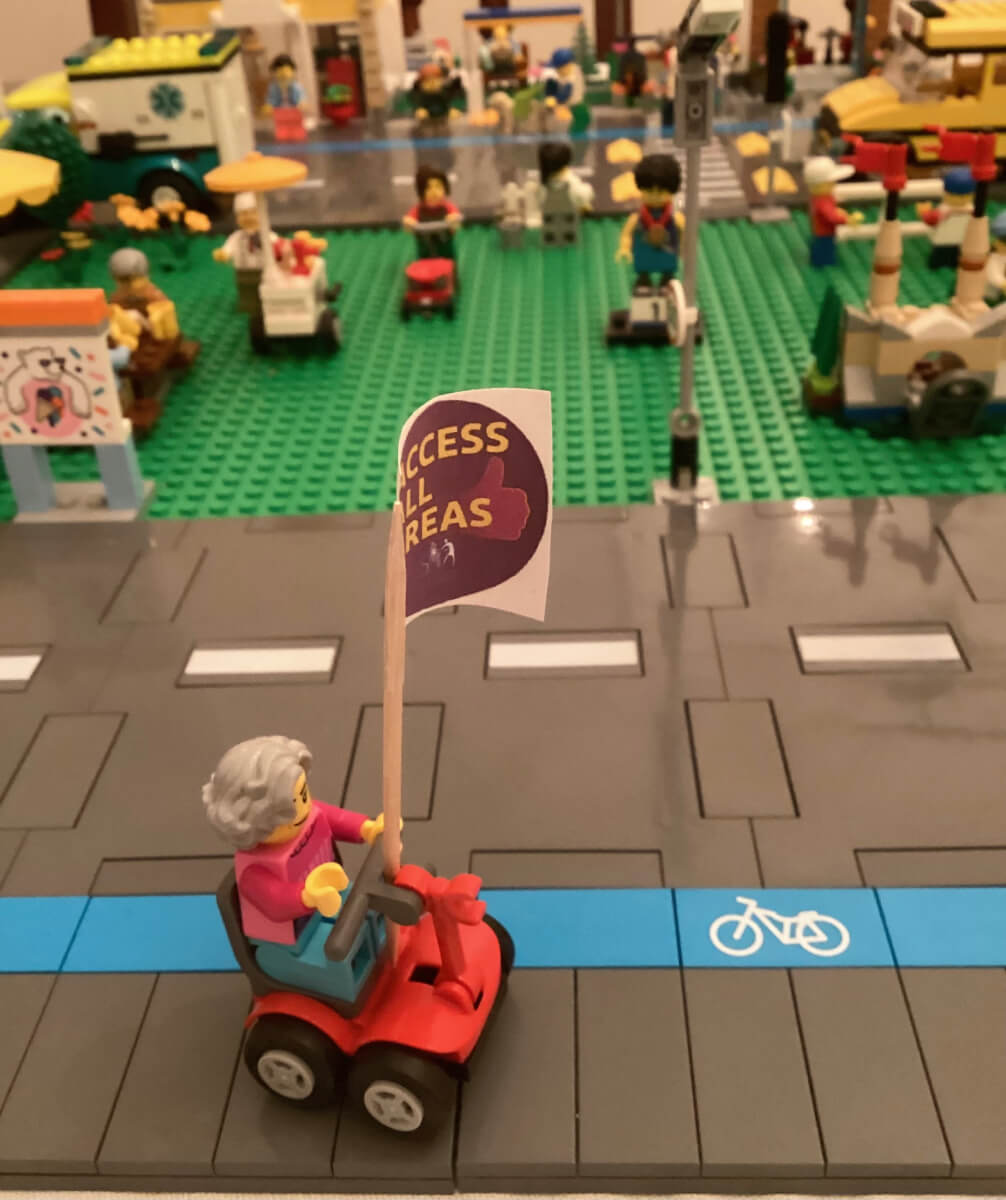
Disabled children may face feelings of isolation and struggle to find a sense of belonging, by exposing children to the Our World toys as well as the relatable characters in our books, we hope to empower to embrace their differences and develop a positive self-image. Seeing characters to which the children can relate in our books navigate their challenges with courage and resilience can help to inspire children to face their own obstacles with confidence. While representation is especially important for disabled children, they are not the only ones to benefit from diversity in the toy box. All children benefit. When children play with the Our world toys, in particular the Playmobil school and playground and the Lego city, they can gain an insight into the physical barriers faced by disabled people in the community. The toy resource also provides a tool for cultivating empathy and understanding; when children play with the toys, such as Cróga the teddy with scoliosis and baby born with her ostomy bag, and read the books they are afforded an insight into the unique experiences of those living with disability. This exposure can help breakdown stereotypes and reduce the stigma surrounding disability, fostering a more inclusive society.
It is far more likely that a child who plays with toys with disabilities will learn to be more accepting, more inclusive and kinder to other children that also have disabilities. This is because much of the mystery and fear has been stripped away. Their questions get answered ahead of time and they begin to see all children in equal light. The following link contains a video made by Kildare Community Stories about the Our World toys.
Our World is primarily a learning resource…an educational tool. MAG use the Our World toy resource to host public exhibitions and attend listening sessions. During these events the toys or a selection of them from the toy library are displayed and they often act as a springboard for conversation surrounding disability. When the Our World resource is used during these events it not only serves as an icebreaker on the discussion of disability and generally the inaccessibility of our public realm but also acts as an eye opener for parents, grandparents and other adults as to the vast range of toys available nowadays. Our world provides a moment of reflection as to how far we as a society have come in regards to understanding and accepting disability while also allowing us to acknowledge how far we still have to go before we can truly call ourselves an inclusive community. (KPPN AGM, ARAS and LEIXLIP AND MAYNOOTH LIBRARY). Partaking in these events allows MAG to highlight the work of the group and of CKAN as a whole as well as make important connections, allowing the Our World programme to reach as many young people as possible.
Perhaps one of the most interesting uses of Our World is its use in third-level education. Maynooth Access Group has provided a number of workshops in Maynooth University to students of the BA in Early Childhood Teaching & Learning. Here we were able to connect with the educators of the future and encourage them to start playful discussions with young children about disability. Using the Our World toys we were able to demonstrate to students how they too can use toys to create an inclusive learning environment.
Here is a small sample of the feedback we received from the lectures and students following the workshop in Maynooth University:
- A fantastic range of toys and equipment.
- Knowledgeable information to accompany the equipment.
- Accessible equipment – we can buy it.
- Willingness to collaborate and share your information, knowledge and time.
- I loved the equipment, the fact that you would come onto campus and set up – ironically the accessibility of the equipment and yourselves.
- The inclusivity of the toys – it far surpassed what I thought would be there.
- My favourite was the talk that Miriam gave – that really cemented the information.
- When dealing with students they want to hear your voice (the knowledgeable one), not us. They have listened to us talk all year and love guest speakers. The information about how you altered every day toys to highlight inclusion was fantastic
The Our World programme is mainly used to deliver workshops and stay-and-play sessions with children and young people in our local primary schools, library, guides and scouts. During these stay and play session, the dolls, cuddly bears, Lego and other toys are all used to showcase different visible and invisible disabilities. The Our world toy resource provides teachers, preschool educators, scout and guide leaders the perfect opportunity to start a playful discussion with children about the unique differences among people. Children are curious by nature and this kind of conversation allows them to ask questions in a safe, judgement free environment enabling them to learn and become educated about the different disabilities people can have. These workshops are particularly beneficial to the siblings of disabled children, allowing them to express and process their emotions through play. When the children come to an Our World Workshop or when the programme is borrowed by the school, the room is transformed into an inclusive, diverse play-space. A place where both questions and playtime are encouraged. When children immerse themselves in this space the disability doesn’t have to be the focus of their play and rather becomes just another variation of normal. By presenting diverse and inclusive “characters” in relatable and engaging stories and play settings, children learn that differences are simply a natural aspect of human diversity. This normalisation reduces fear and misunderstanding, fostering an inclusive environment where differences are celebrated rather than stigmatised.
What the children learn about inclusion, accessibility and diversity is not confined to these Our World workshops instead they are encouraged to apply what they have learned and this has led to projects, poster-presentations and even accessibility audits.
One might ask what do we mean when we say toy library and it is exactly what it says on the tin – a collection of toys that can be borrowed and loaned out to schools, preschools, community groups to incorporate into their own inclusion and diversity programmes. For example, Coláiste Chíaráin borrowed the toys for their annual inclusion and diversity day, while Gaescoil Ruairi used them to deliver the equality and inclusion elements of their clár eitice (ethics programme). Preschools also enjoy borrowing from the Our World collection, especially the children in TiddlyWinks and Scallywags, Kids at Play and Confey Montessorri.
Another reason for borrowing from the our world toy programme is that it allows schools, scouts and guides to make a planet positive decision in the delivery of their inclusive and diversity programmes, which is in keeping with the climate action plan for Ireland. Did you know that 90% of toys are made of plastic and emit 6 times their own weight in CO2? Most toys are non-recyclable and are too often destined for landfill. Many of the toys in the Our world collection are pre-loved donated by members of the group or purchased from local charity shops. If you can believe it some of the Lego here today is more than 40 years old! Furthermore, the cost of these books and posters can be prohibitive for schools and especially young teachers going on placement this financial can be alleviated by borrowing from Our World.